

Embroidered Patches for Your Unique Identity: Custom Designs and High-Quality Service
Embroidered patches are an excellent way to add a personalized touch to clothing, accessories, and uniforms. Whether you're a small business, sports team, or individual looking to express your unique identity, embroidered patches are a durable and versatile option. In [City], local suppliers offer high-quality embroidery services with various customization options. This article will guide you through the process of selecting the right embroidered patch service and help you make informed decisions. Custom embroidered patches can be used for a variety of purposes, including branding, team uniforms, fashion, or commemorative items. Let’s dive deeper into how you can create the perfect patch to suit your needs.
How to Get the Perfect Custom Embroidered Patches: A Simple Step-by-Step Guide
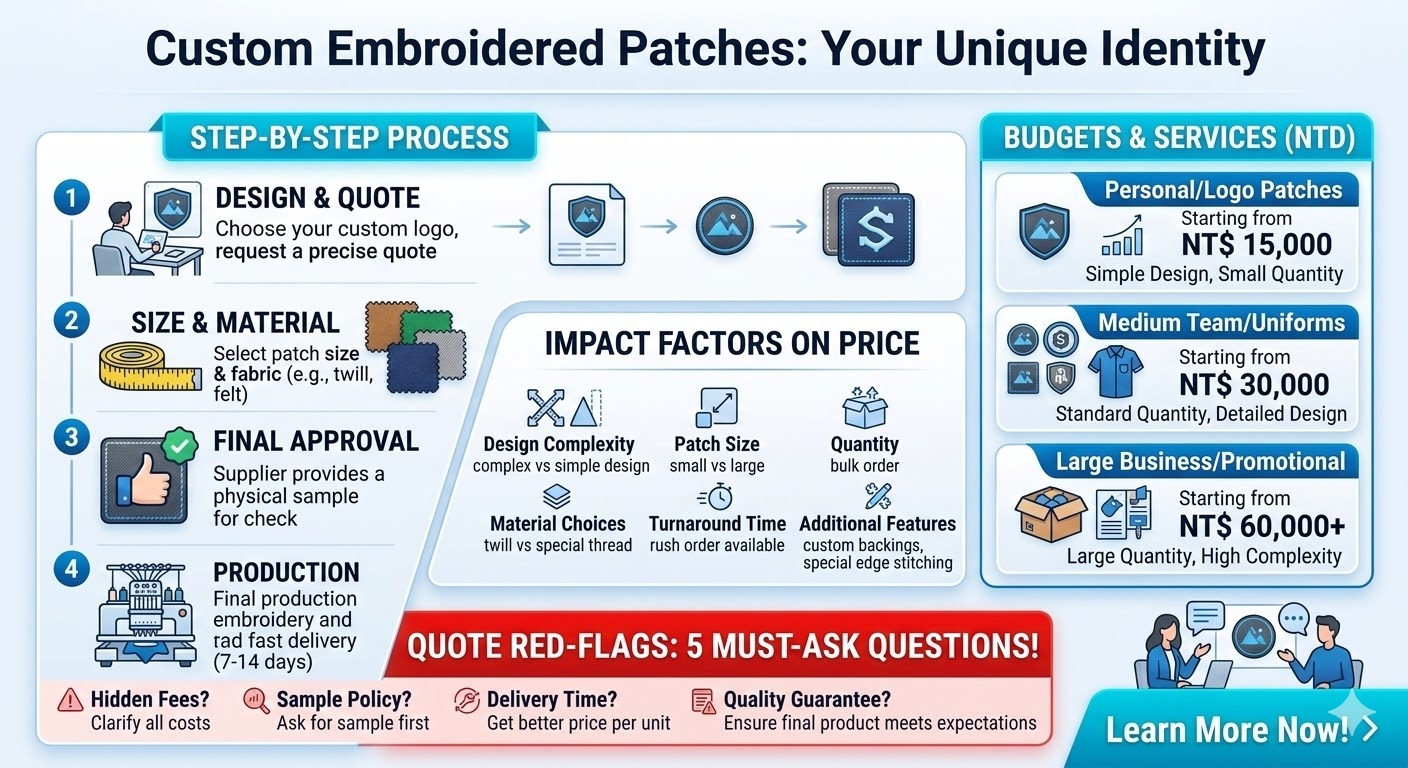
Step 1: Choose Your Design
The first step in getting embroidered patches is selecting your design. You can create your own design or choose from pre-made options. If you have a custom logo, it can be digitized for embroidery. It's important to ensure that your design is simple enough to be reproduced clearly in embroidery form, especially if it contains intricate details. Designs with fewer colors and cleaner lines typically result in more cost-effective patches. A well-designed logo can make your patch stand out on any item, whether it's for promotional purposes, uniforms, or personal use.
Step 2: Determine the Size and Shape
The size and shape of your patch will determine the overall look and cost. Popular sizes include small, medium, and large, but custom sizes are also available. Typically, smaller patches are more affordable than larger ones, but large patches provide more space for creative designs. Decide whether you want a round, square, rectangular, or custom-shaped patch. Custom shapes often make the patch more unique and appealing, though they may cost more due to the extra work involved in cutting the fabric into a custom shape.
Step 3: Select Patch Materials
Embroidered patches are typically made from fabric like twill, felt, or canvas. Some patches feature a merrowed edge, while others have a heat-sealed backing for easy attachment. The material you choose will affect the final appearance and durability of your patch. For example, felt patches give a more vintage or retro feel, while twill patches are highly durable and suitable for more rugged use. The choice of backing, whether iron-on, sew-on, or adhesive, will also affect how your patch is applied to the desired item.
Step 4: Review the Quote
Once your design and specifications are complete, request a quote from the supplier. Make sure the quote includes the cost of materials, labor, and any additional fees. Factors such as the number of colors in the design, the quantity of patches ordered, and the type of backing chosen can all affect the pricing. It’s essential to clarify all these points before proceeding to ensure there are no hidden costs down the line.
Step 5: Final Approval and Production
After reviewing the quote, you can approve the design and move forward with production. The supplier will send you a sample before producing the final patches to ensure they meet your expectations. This step allows you to check for any issues with design placement, color accuracy, or stitching before the final batch is made. Always ask for a sample, especially if you’re ordering in bulk, to avoid any disappointments when the patches are delivered.
Choosing the Best Supplier for Your Custom Embroidered Patches: Key Considerations
Look for Experience
Choose a supplier with a proven track record of delivering high-quality embroidered patches. Check their portfolio and ask for references from past clients. A reputable supplier will be able to show examples of previous work and client testimonials. This will give you confidence that your patches will meet your standards.
Check for Customization Options
The best patch suppliers offer a wide range of customization options, including different fabrics, thread colors, sizes, and backing types. Make sure the supplier can cater to your specific needs and provide a wide variety of choices to ensure your patches are exactly how you envision them.
Compare Pricing
Get quotes from multiple suppliers to ensure you're getting the best deal. Remember that the cheapest option may not always offer the best quality. Some suppliers may offer discounts for bulk orders, while others may provide higher-end materials or specialized designs. Evaluate the pricing based on the quality of the service and materials used.
Read Customer Reviews
Customer reviews and testimonials can provide valuable insights into the supplier's reliability and the quality of their products and services. Look for reviews on independent platforms or ask the supplier for references. A supplier with positive feedback from previous clients is likely to deliver high-quality products and customer service.
Consider Turnaround Time
If you need the patches quickly, ask about the supplier’s production and delivery times. Ensure they can meet your deadline. Some suppliers may charge an extra fee for expedited production, but if time is critical, it’s worth considering.
Check for Warranty or Guarantee
Some suppliers offer warranties or guarantees on their work. Make sure you understand the terms before placing an order. A guarantee ensures that if there are any issues with your order, you’ll have a way to resolve them without extra cost.
Factors That Impact the Price of Your Custom Embroidered Patches
1. Design Complexity
The more intricate your design, the higher the price. Detailed logos with many colors or fine lines require more time and effort to embroider. Simple designs with fewer colors are typically more affordable and easier to produce.
2. Patch Size
Larger patches require more materials and time, which can increase the price. Smaller patches are typically more affordable. Be mindful of your desired size and the cost implications when planning your order.
3. Quantity
Ordering in bulk often reduces the price per unit. Larger orders benefit from economies of scale, and suppliers are typically willing to offer discounts for large quantities. However, make sure you’re ordering the right amount to avoid over-ordering.
4. Material Choices
The fabric and thread you choose can impact the cost. High-quality threads and durable fabrics may come at a higher price. Custom materials or eco-friendly options may add to the overall cost but can add value to your final product.
5. Turnaround Time
If you need expedited production, some suppliers may charge a rush fee for faster turnaround times. Plan accordingly to avoid rush charges unless you really need your patches quickly.
6. Additional Features
Features like custom backings, special border stitching, or additional embroidery effects can increase the cost of your patches. While these can make your patches stand out, ensure you understand the cost implications before requesting these extras.
Frequently Asked Questions
What is the service range for embroidered patches?
Embroidered patch services cover a variety of industries, including sports teams, schools, businesses, and personal projects. You can get patches for jackets, hats, bags, and uniforms.
How can I get a quote for embroidered patches?
Contact your chosen supplier with your design, preferred size, material, and quantity. They will provide you with a customized quote based on these factors.
How long does it take to make embroidered patches?
Production times can vary, but typically it takes 7-14 business days for standard orders. Rush orders can be completed in a shorter time frame.
Do I need to pay upfront?
Many suppliers require a deposit before starting production, with the remaining balance due upon delivery. Always confirm payment terms before proceeding.
Can I make changes after ordering?
Once production begins, changes may incur additional costs. Always review your design carefully before approval to avoid extra charges.